A Guide to Climbing Wall Steel Structures
As someone who’s worked in climbing wall engineering and fabrication for over a decade, I’ve seen the climbing industry evolve rapidly—from DIY plywood panels in garages to sprawling commercial gyms with Olympic-grade features. One thing has remained consistent, though: the critical importance of a robust, well-designed steel structure as the backbone of any professional climbing wall.
Whether you’re a gym owner, an architect, or an enthusiast curious about how these vertical playgrounds are built, understanding the role of steel structures is essential. In this blog, I’ll break down what makes a climbing wall steel structure safe, durable, and scalable, and why it should never be an afterthought in your facility planning.
Why Steel Structures Matter for Climbing Walls
Let’s start with the basics: why steel?
1. Strength and Load-Bearing Capacity
Climbers put immense loads on walls—sometimes several tons of dynamic and static forces depending on the activity (lead climbing, bouldering, speed climbing, etc.). Steel, with its high tensile strength, provides the structural integrity necessary to withstand these forces without bending or warping.
2. Design Flexibility
Modern climbing wall designs aren’t just flat vertical panels. We’re talking overhangs, caves, roofs, slabs, and even freestanding towers. Steel allows engineers to create these complex geometries while maintaining precise angles and long spans with fewer supports.
3. Durability and Longevity
When galvanized or powder-coated, steel resists corrosion, making it ideal for both indoor and outdoor climbing walls. Properly maintained, a steel-framed wall can last 25+ years with minimal degradation.
Core Components of a Climbing Wall Steel Structure
Designing a steel structure for a climbing wall is far from generic. It’s not like putting up a warehouse frame. There are several key elements unique to climbing wall applications.
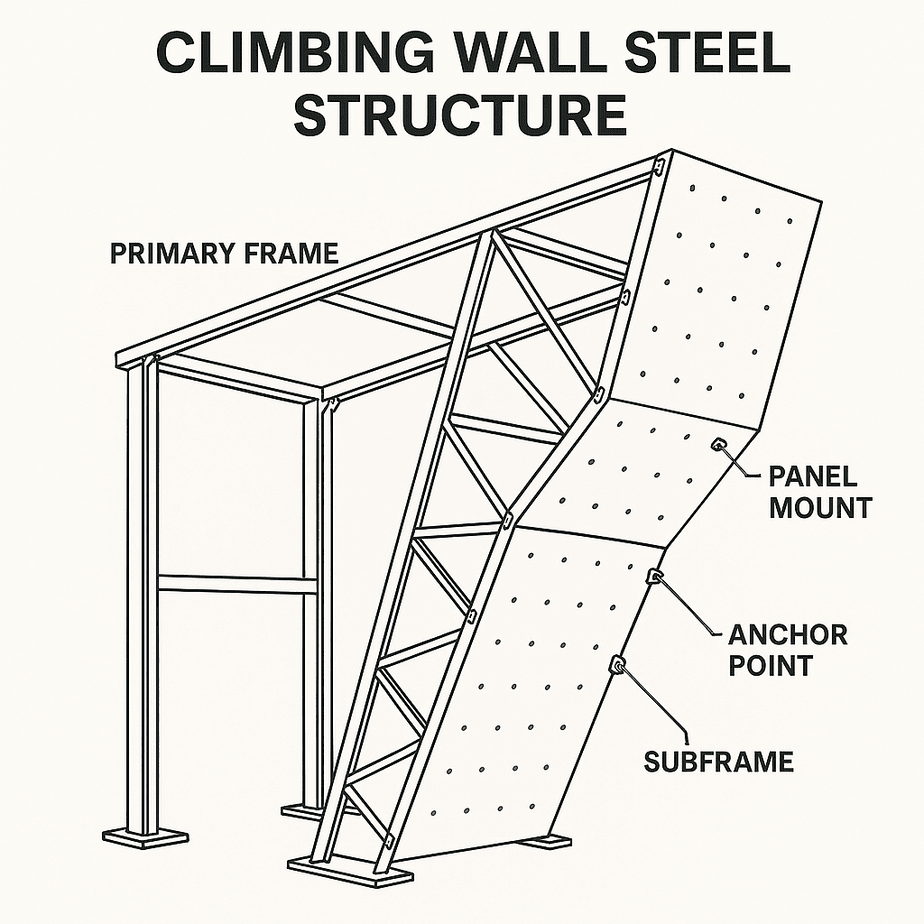
1. Primary Frame
This is the main skeletal system—often I-beams, HSS tubes (hollow structural sections), or rolled steel joists. These beams form the grid that supports the wall’s load.
2. Secondary Subframe
Attached to the primary frame is a lighter gauge subframe that follows the climbing surface’s shape. This is where the wall panels attach. Think of it like the lath beneath a sculpture.
3. Panel Mounting System
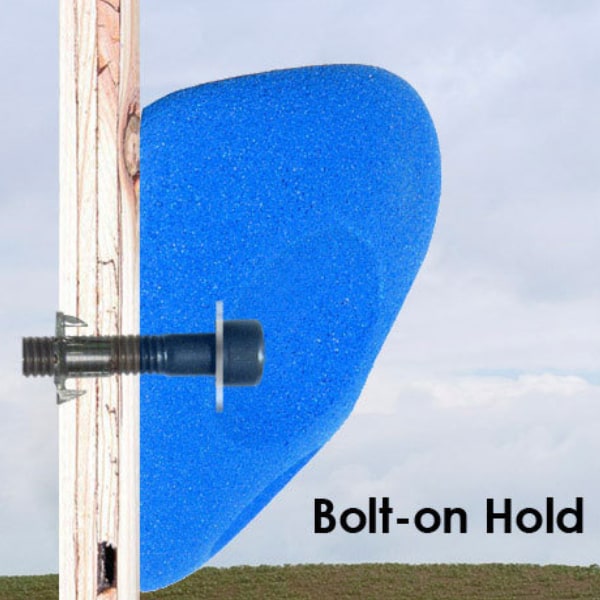
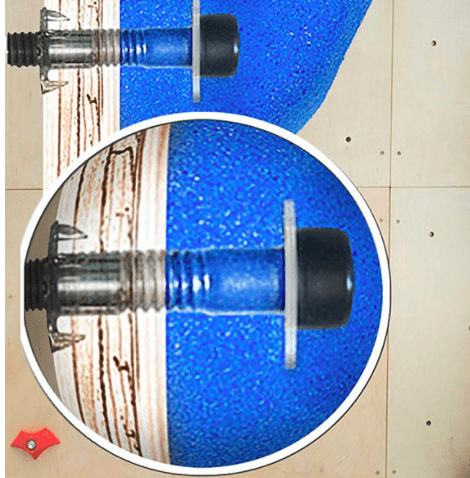
The interface between steel and surface is where climbing gets real. Mounting systems must allow for t-nuts (to hold climbing holds), access for route-setting, and sometimes adjustability for modular designs.
4. Anchor Points and Safety Systems
Whether it’s lead routes or top-rope stations, anchor points are welded or bolted into the structure and rated for high loads—usually exceeding 22 kN. Additional fall arrest systems may be integrated for setters and staff.
Indoor vs. Outdoor: Key Differences in Steel Design
Building an indoor wall in a climate-controlled facility is very different from creating an outdoor climbing tower exposed to the elements. Here are the major differences:
| Feature | Indoor Steel Structure | Outdoor Steel Structure |
|---|---|---|
| Coating/Finish | Painted or powder-coated | Galvanized or marine-grade powder coating |
| Load Considerations | Mostly vertical + user weight | Must account for wind loads, snow, seismic forces |
| Footings and Foundations | Lighter, tied into existing concrete | Heavy-duty, often require geotechnical testing |
| Maintenance | Minimal if protected from humidity | Annual inspections and rust prevention required |
Engineering and Compliance: Safety First
A steel climbing structure isn’t just engineered for fun—it’s engineered for safety.
1. Codes and Standards
Depending on your location, there are local, national, and even international standards to follow. These may include:
- EN 12572 (Europe)
- ASTM F1193 (USA)
- IBC compliance for fire and building codes
- Local permitting and load documentation
Working with a licensed structural engineer is not optional—it’s critical.
2. Load Testing
Post-construction, most commercial walls undergo static and dynamic load testing. This ensures the steel structure can support the required loads without deformation or failure. Don’t skip this step—it can save lives.
3. Inspection & Maintenance Plans
Even galvanized steel can corrode if not maintained. Establish a regular inspection protocol:
- Visual inspections for rust and wear
- Tightness of bolts and connections
- Welding integrity
- Panel integrity at mounting points
Modular vs. Custom Steel Structures
One of the first decisions you’ll make in a climbing project is whether to use a modular system or go fully custom.
Modular Systems
- Pre-fabricated steel frames
- Faster to install
- Cheaper
- Limited in design complexity
- Ideal for smaller gyms or portable walls
Custom Steel Structures
- Engineered specifically for your space
- Higher initial cost
- Infinite design possibilities
- Better integration with architecture
- Often better long-term ROI
As a rule of thumb: go modular for temporary installations, but invest in custom for flagship gyms or unique architectural builds.
Case Study: Designing a 15-Meter Speed Wall
One of the most exciting projects I worked on was designing a 15-meter IFSC-certified speed climbing wall for a new training center in Canada. Here’s a snapshot of the process:
- Steel Used: Galvanized HSS tubes for the primary frame; cold-rolled steel angle sections for the subframe
- Loads Accounted For: 12 kN dynamic load per athlete, plus 100 mph wind rating due to local conditions
- Design Tools: Tekla Structures, AutoCAD, and STAAD Pro for FEA analysis
- Installation Time: 4 weeks for steel structure, 2 weeks for paneling and route setup
- Outcome: The wall passed all IFSC inspections and is now used by national-level athletes
This project reaffirmed just how vital detailed engineering and quality steel fabrication are to climbing performance and safety.
Common Mistakes to Avoid
When it comes to climbing wall steel structures, I’ve seen some painful missteps. Here are the most common:
- Underspecifying Steel: Using inadequate steel sections to cut costs is a dangerous game.
- Skipping Galvanization: Especially for outdoor walls—this is non-negotiable.
- Ignoring Deflection: Over time, even minor flexing can lead to bolt hole misalignment and unsafe surfaces.
- Poor Anchor Planning: Don’t retrofit anchors—design them into the original plan.
- Lack of Documentation: Every bolt, weld, and support must be logged and approved.
Final Thoughts: Steel Is the Skeleton of the Climb
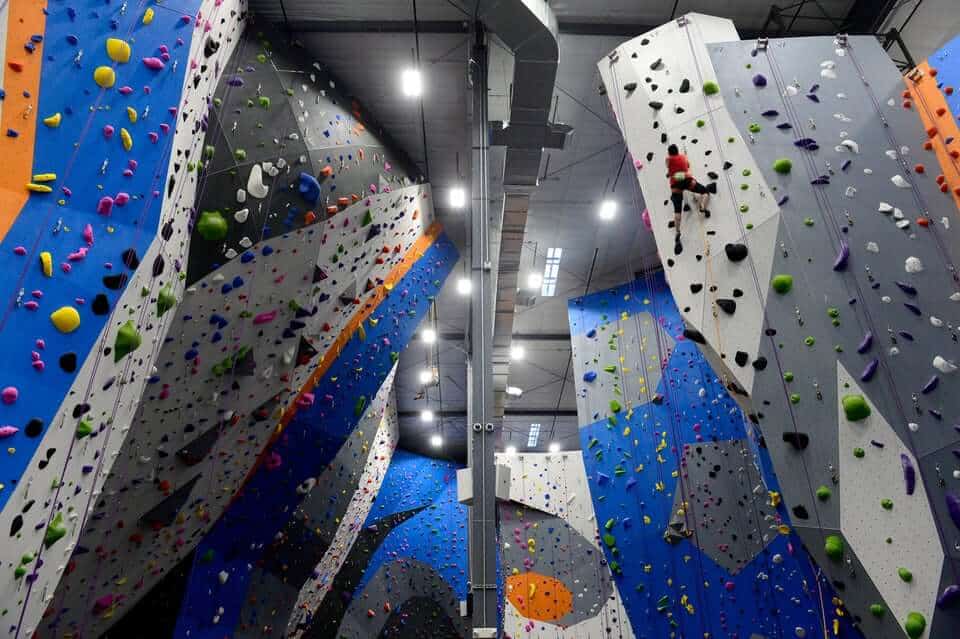
A climbing wall’s visual flair may come from colorful holds and textured panels, but it’s the steel skeleton underneath that determines how safe, functional, and long-lasting the structure will be.
If you’re planning a climbing gym or outdoor tower, bring in your structural engineer early. Don’t rely solely on your wall builder—make sure they collaborate with certified steel fabricators and follow all applicable codes.
I’ve built walls that have hosted World Cup qualifiers, youth programs, and even therapy sessions for veterans. Every single one started with a steel structure designed with care, experience, and precision.
Build it right—and the climbers will come.
Want to dive deeper into design specs or get a sample steel plan for your climbing wall? Feel free to contact me directly or comment below—I’m always happy to talk shop.


Leave A Comment